Choose by character · 18+
What does a tasting note tell you?
Fruit, botanicals, wood and texture: a practical way to compare spirits without confusing tasting notes with ingredients.
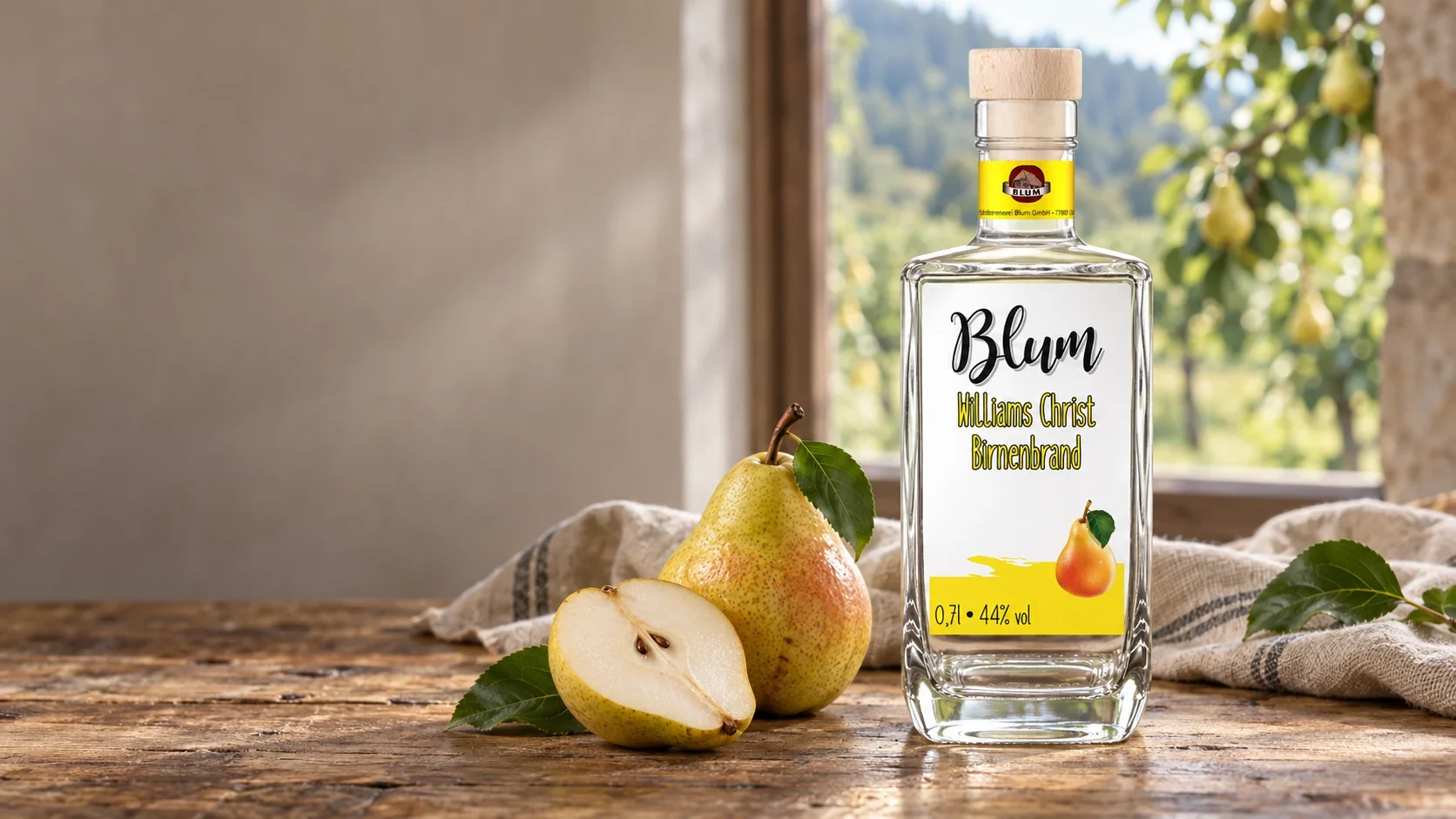
Begin with a familiar flavour
Pear, cherry, juniper or vanilla: a familiar descriptor is a useful starting point. Compare the notes across bottles rather than choosing by the length of the description. Our flavour paths group the existing catalogue into fruit spirits, botanical styles, wood notes and cream liqueurs. A bottle may fit more than one path.
Aroma is not an ingredient list
A note of nuts or vanilla may describe a sensory impression. It does not establish whether an ingredient or allergen is present or absent. For allergies or dietary requirements, rely on the confirmed product declaration and ask us when information is incomplete.
Use the details together
Check the category, maker, maturation description, bottle size and alcohol content. A higher strength is not a quality score, and a darker colour does not by itself prove greater age. Taste descriptions are guidance, not a promise that everyone will perceive the same thing.